
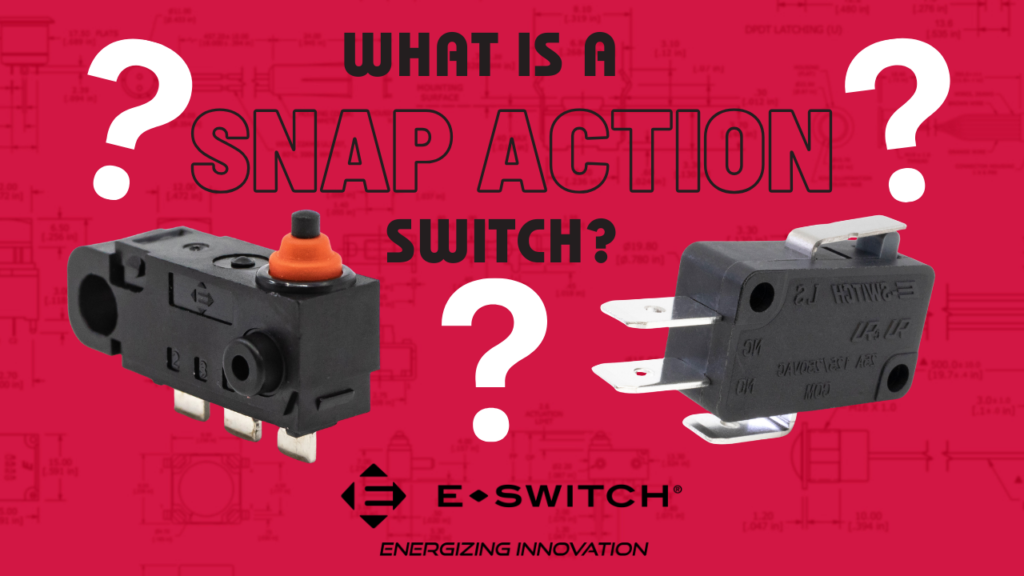
What is a Snap Action Switch?
Snap action switches, also called microswitches, are electromechanical switch devices that can open and/or close an electrical circuit at a rapid speed. They are triggered by an external force, usually either human or physical object, which is then applied to the actuator, requiring very little pressure to operate.
They are characterized by their quick and decisive switching action, often producing a sharp, tactile “snap” sound when the contacts move from one position to another.
How Do Snap Action Switches Work?
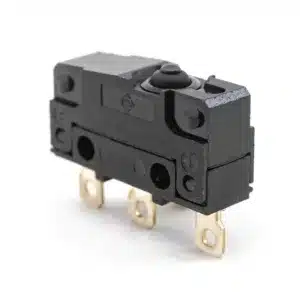
Here’s how snap action switches work:
- Basic Structure:
- They consist of a few key components: a spring, an actuator and a set of electrical contacts.
- The switch has a mechanism that maintains a stable position under normal conditions.
- Actuation:
- The actuator is the part of the switch that’s physically pressed or moved to change the state of the switch.
- When an external force is applied to the actuator, it compresses or moves the spring within the switch.
- Snap Action:
- The term “snap action” refers to the rapid and decisive movement of the switch contacts.
- As the force on the actuator overcomes a certain threshold, the spring reaches a critical point where it rapidly changes position.
- This sudden change in the position of the spring causes the contacts to move quickly from one state to another.
- Contact Movement:
- They typically have a set of movable contacts and stationary contacts.
- When the switch is actuated, the movable contacts snap into a new position, making or breaking the electrical connection with the stationary contacts.
- Functionality:
- They’re often used in applications where quick and reliable switching is required, such as appliances, control panels and various industrial applications.
- The snap action ensures that the switch operates with a consistent and reliable force, providing a clear indication of the switch and circuit state.
- Resetting:
- Once the external force on the actuator is removed, the spring returns to its original position, causing the contacts to snap back to their initial state.
- This quick return to the stable position is crucial for the switch’s ability to respond rapidly to changes in the actuation force.
What Are Snap Action Switches Used For?
Reliability and long operating life make these switches ideal for countertop appliances, the automotive industry, timer controls, medical devices, vending machines, electronics, robotics, aerospace, gaming devices, power tools, HVAC systems and industrial equipment.
Pros & Cons
Pros
- Quick and Reliable Switching:
- They’re known for their rapid and decisive switching action, providing quick and reliable responses.
- Longevity:
- These switches are designed for durability and can withstand a large number of switching cycles without significant wear or degradation.
- Versatility:
- They come in various sizes and configurations, making them versatile and suitable for a wide range of applications across different industries.
- Clear Feedback:
- The tactile feedback provided makes it clear to the user when the switch has been actuated, which is beneficial for user interfaces.
- Compact Design:
- They can be designed in relatively small and compact forms, making them suitable for applications where space is limited.
- Low Power Consumption:
- These switches typically have low power consumption, making them energy-efficient in many applications.
- Cost-Effective:
- They’re often cost-effective compared to some alternative switches, contributing to their widespread use in various consumer and industrial products.
Cons
- Contact Bounce:
- Like many mechanical switches, they can experience contact bounce — a phenomenon where the contacts make and break rapidly when the switch is actuated. This can be mitigated with additional circuitry.
- Mechanical Complexity:
- The internal mechanisms of these switches can be relatively complex, which may make them more prone to mechanical failure compared to simpler switches.
- Environmental Sensitivity:
- Some switches may be sensitive to environmental conditions such as moisture, dust or temperature extremes. Sealed or protected versions are available for more demanding environments.
- Noise Generation:
- The sharp “snap” sound produced during the switching action may be undesirable in noise-sensitive applications.
E-Switch Snap Action Products
Head to E-Switch’s snap action section of the website catalog to view the different series, view data sheets and configure your own to purchase now directly through our website.
LS Series Long Life, Snap Action Switch
VIEW DATA SHEET
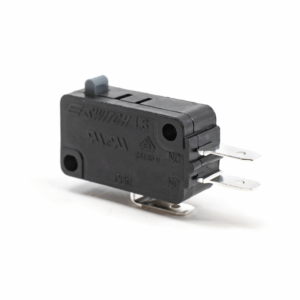
- Electrical Ratings:
- Gold – 0.4VA, 20V Max. (AC or DC)
- Silver – 15A, 125/250VAC; UL, cUL, VDE
- SPDT, SPST-NC or SPST-NO circuit; momentary function
- Chassis mount or through hole right angle mounting design
- Solder lug, quick connect or right/left angled PCB pin termination
- Pin plunger, lever, roller or simulated roller actuator
LS25 Series High Current Snap Action Switch
VIEW DATA SHEET
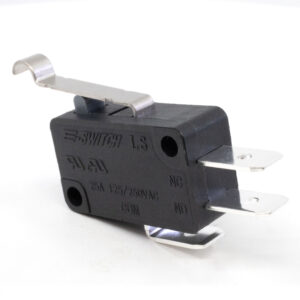
- Electrical Ratings:
- Silver – 25A, 125/250VAC; UL, cUL
- SPDT circuit; On-(Off) momentary function
- Chassis mount
- Solder lug or quick connect termination
- Pin plunger, lever, roller or simulated roller actuator options
MS Series Miniature, Snap Action Switch
VIEW DATA SHEET
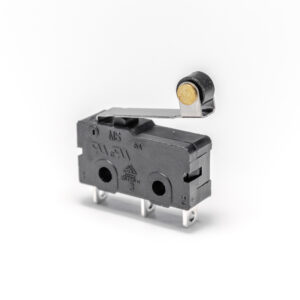
- Electrical Ratings:
- Gold – 0.4VA, 20V Max. (AC or DC)
- Silver – 5A, 125/250VAC; UL, cUL, VDE
- SPDT or SPST-NO circuit; momentary function
- Chassis mount, thru-hole or thru-hole rt. angle mounting design
- Solder, quick connect, PC pin or right/left angle PC pin termination
- Pin plunger, lever, roller, leaf or simulated roller actuator
SS Series Subminiature Snap Action Switch
VIEW DATA SHEET
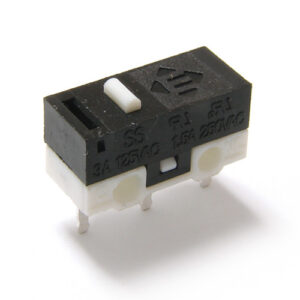
- Electrical Ratings:
- Gold – 0.4VA, 20V Max. (AC or DC)
- Silver – 3A, 125VAC; 1.5A, 250VAC; UL, cUL
- Silver – 0.1A, 125VAC / 5VDC
- SPDT circuit; momentary function
- Chassis mount or through-hole mounting design; rt. angle option
- Solder or PC Pin termination: straight, retention or right/left angle
- Pin plunger, lever or simulated roller actuator options
TS Series Subminiature, Snap Action Switch
VIEW DATA SHEET
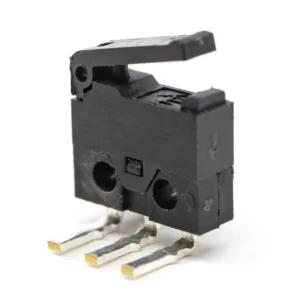
- Electrical Rating:
- 0.3A, 6VDC
- SPDT circuit; momentary function
- Through hole or through hole right angle mounting design
- P.C. Pin: vertical, angled, long/short termination options
- Lever actuator
TS1 Series Subminiature Snap Action Switch
VIEW DATA SHEET
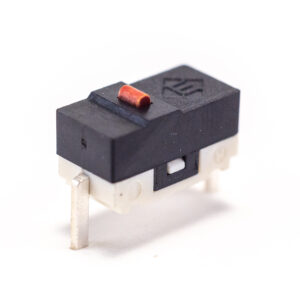
- Electrical rating:
- 0.1A 125VAC or 48VDC
- SPST-NO circuit; momentary function
- Through hole mounting design
- P.C. Pin termination
- Pin plunger actuator
TS2 Series Surface Mount, Snap Action Switch
VIEW DATA SHEET
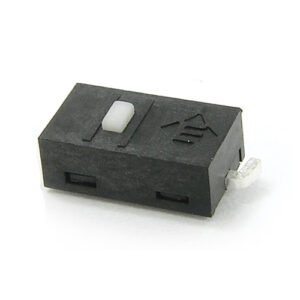
- Electrical rating:
- 0.1A 125VAC or 48VDC
- SPST-NO circuit; momentary function
- Surface mount (SMT) design
- Pin plunger actuator
- 3,000,000-cycle life
WS Series Sealed, Snap Action Switch
VIEW DATA SHEET
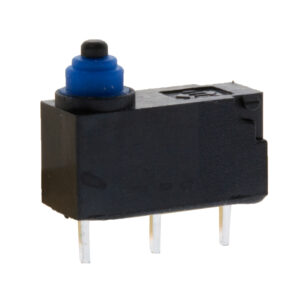
- IP67 rated
- Electrical ratings:
- 0.5A 42VDC, 1A 24VDC, 2A 12VDC, 3A 125/250VAC; UL, cUL
- SPDT circuit; momentary function
- Chassis mount or through hole mounting design
- Solder, PC pin or wire leads termination
WS1 Series Sealed, Snap Action Switch
VIEW DATA SHEET
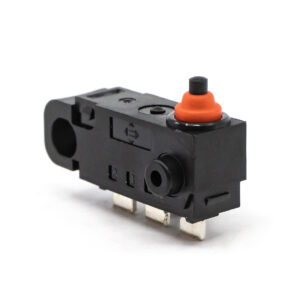
- IP67 rated
- Electrical ratings:
- 0.1A 48VDC or 125/250VAC; UL, cUL
- 3A 12VDC or 125/250VAC; UL, cUL
- SPDT circuit; latching function
- Panel mount design
- Solder lug or wire leads termination
WS2 Series Sealed, Snap Action Switch
VIEW DATA SHEET
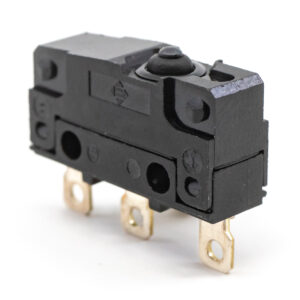
- IP67 rated
- Electrical ratings:
- 2A 30VDC or 250VAC; UL, cUL
- SPDT circuit; latching function
- Panel mount or through hole mounting design
- Solder lug, quick connect or PCB pin termination
