Switches Simplified

How to Solder Switches: Types of Soldering and Temperatures Featured Image

How to Solder Switches: Types of Soldering and Temperatures

Soldering is crucial when attaching wires to electromechanical switches because it creates a reliable electrical connection. Solder acts as a conduit, provides mechanical stability, prevents oxidation and minimizes resistance, making it essential for reliable switch performance.

Read More
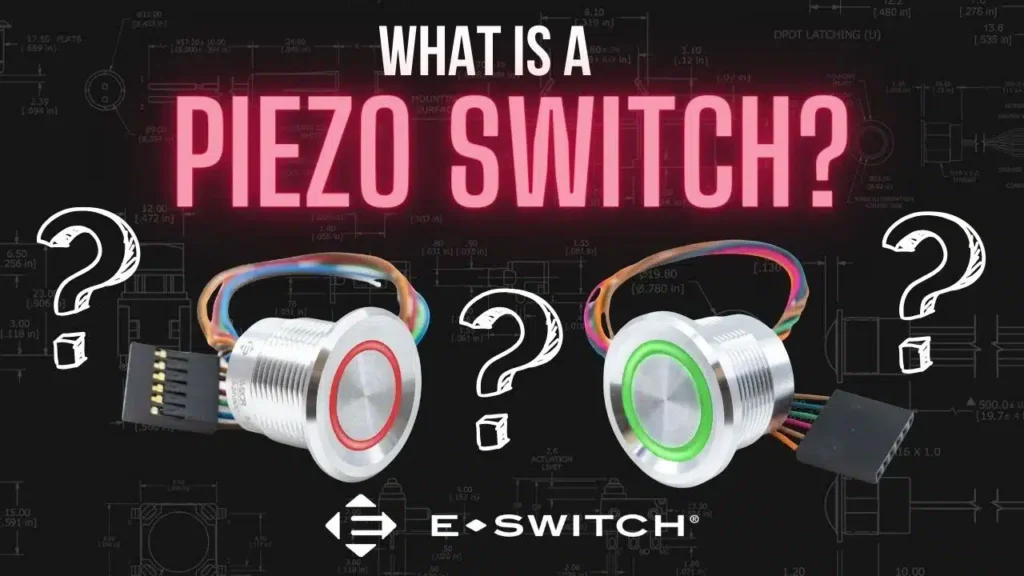
What are Piezo Switches and What are They Used for? Featured Image

What are Piezo Switches and What are They Used for?

Have you ever wondered about those intuitive buttons that seem to magically respond to your touch without any physical movement? Enter the world of Piezo switches — the unsung heroes behind many of today’s cutting-edge technological innovations.

Read More
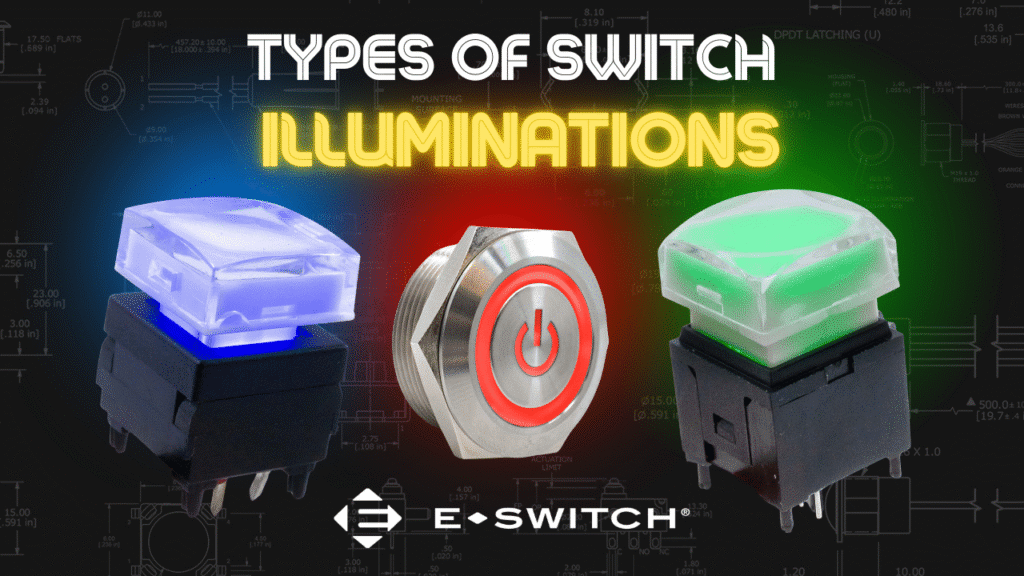
Types of Illuminated Switches: LED, Incandescent and Neon Featured Image

Types of Illuminated Switches: LED, Incandescent and Neon

Illuminated electromechanical switches incorporate a visual indicator — usually in the form of an LED (Light Emitting Diode) or small incandescent bulb — to indicate the switch’s on/off state. There are several types of illuminated switches, each with their own characteristics.

Read More
How to Find the Right Switches for Your Product: 7-Step Guide Featured Image

How to Find the Right Switches for Your Product: 7-Step Guide

It all starts with a switch, but how do you find the right switches for your product or application? To help you figure out the best electromechanical switch to meet your needs, E-Switch has prepared a seven-step process for narrowing down your selection.

Read More
What Are Rotary DIP Switches And What Are They Used For? Featured Image

What Are Rotary DIP Switches And What Are They Used For?

Rotary DIP switches offer a simple and manual way to set parameters such as address settings, mode selections or other options in a circuit. They also provide a convenient way to adjust multiple switches simultaneously by rotating a single knob, simplifying the configuration process.

Read More