

If you’re looking to learn more about electricity and how circuits function, a basic understanding of the differences between voltage, current and resistance is fundamental. These three concepts serve as the foundation for harnessing and utilizing electricity, so let’s explore these essential principles at depth.
Difference Between Voltage, Current, Resistance
What is Current?
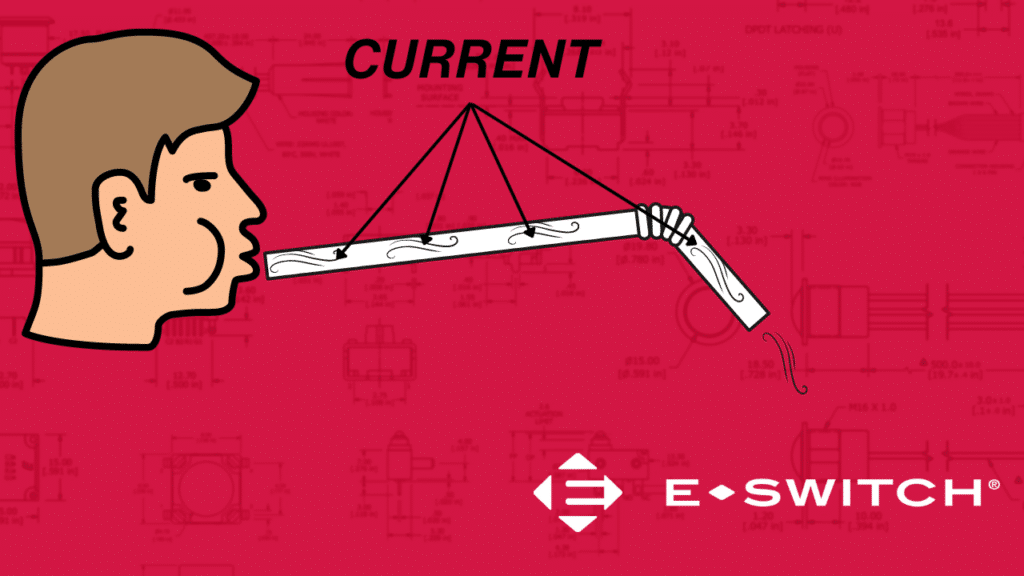
A circuit is a closed loop that carries electricity. The electric current is the flow of electronics moving within a circuit, so current denotes the rate which charge flows. The unit we use to measure current is the ampere, often shortened to amp. Amps are telling you how many charges are moving through your circuit.
As an example, if you think of the basic act of blowing air through a straw, current would be represented by the air flowing through.
What is Voltage?
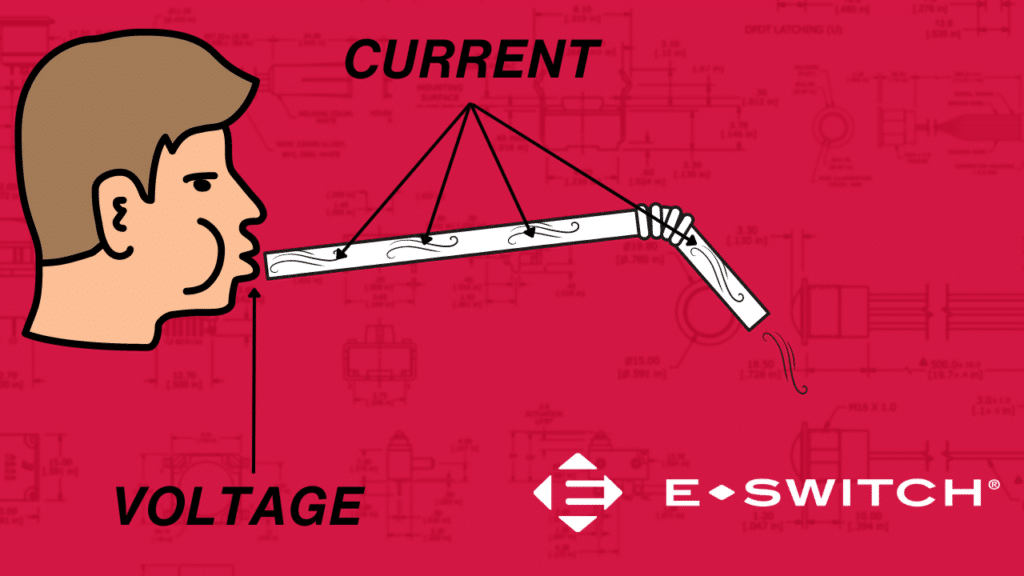
Voltage is the “push” that causes the current to flow. It’s the source. Current and voltage are then closely related because you can’t have any current without something pushing it. You need a source (battery or wall socket), and the unit used to measure it is volts.
If we go back to the straw example, the blowing pressure you exert on the straw is the voltage. The more volts you have, the more potential you have for moving current.
What is Resistance?
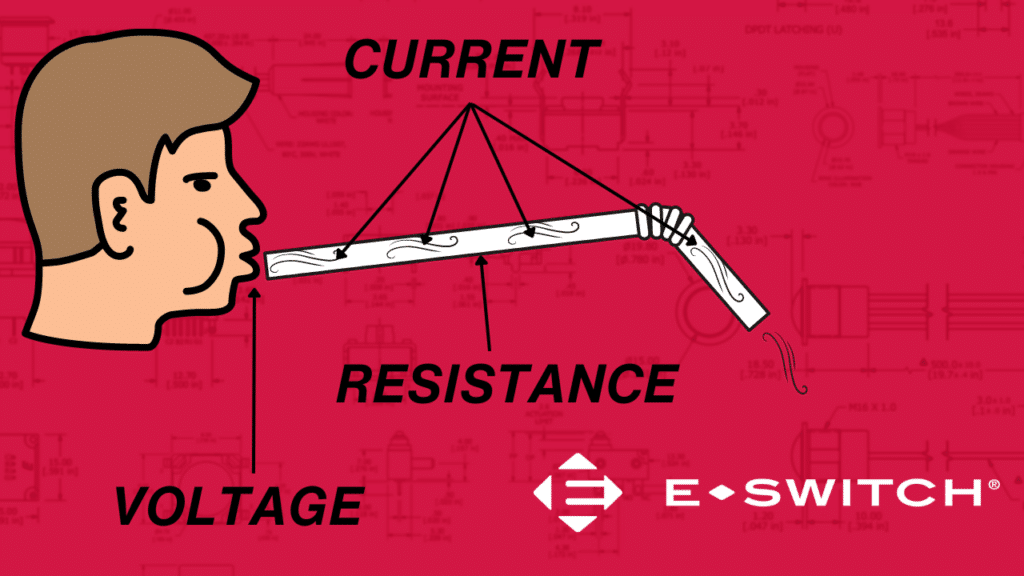
Resistance opposes the current flow in a circuit. Different size wires, different resistors and different circuit components will provide different values of resistance. The smaller the object, the higher the resistance (for example, a large, thick copper wire will offer less resistance than a hair-thin wire). The unit used to measure resistance is the ohm, which is often shortened to the “Ω” symbol.
If we again use the straw example, resistance would be the size of the straw. If the opening is large, you’ll have a lot easier time blowing air through it (less resistance) compared to a smaller straw that’ll really make you work to consistently blow air though it.
Voltage, Current, Resistance: Other Useful Terms
DC vs. AC: Direct Current vs. Alternating Current
What is direct current? Direct current means you have a constant current flow. All batteries utilize direct current — when hooked up to a circuit, it’s giving you constant voltage at the source location so the current is then constant.
What is alternating current? This is when the current moves back and forth. All wall sockets utilize alternating current. In the United States, this back and forth action in a wall outlet happens 60 times a second (60 Hertz or 60 Hz).
What are Open Circuits and Short Circuits?
As opposed to a closed circuit — where the electrical current is constantly in motion around the circuit — an open circuit denotes a break somewhere along the circuit which stops the current. You cannot have current flow in an open circuit. When you flip a switch to “off,” you’re breaking the circuit.
A short circuit is the unintentional result of wires touching in a circuit before intended. It’s called a “short” because current will always seek the path of least resistance and will then break the circuit by taking the wrong route once the circuit bridges — therefore truncating or shortening the circuit.
Questions and Answers
What is the difference between voltage, current and resistance?
Voltage is the electrical force that drives current through a circuit, current is the flow of electrical charge and resistance opposes that flow. Together, voltage, current and resistance describe how electrical energy behaves within a circuit.
What is voltage in an electrical circuit?
Voltage is the electrical potential difference that causes current to flow through a circuit. It is measured in volts (V) and can be supplied by a source such as a battery or power supply.
What is current in an electrical circuit?
Current is the flow of electrical charge through a circuit. It is measured in amperes, or amps (A), and indicates the rate at which electric charge is flowing.
What is electrical resistance?
Electrical resistance is the opposition to the flow of current within a circuit. It is measured in ohms (Ω), and the amount of resistance affects how much current can flow for a given voltage.
How are voltage, current and resistance related?
Voltage, current and resistance are related through Ohm’s law. In a basic resistive circuit, current depends on the applied voltage and the amount of resistance in the circuit.
