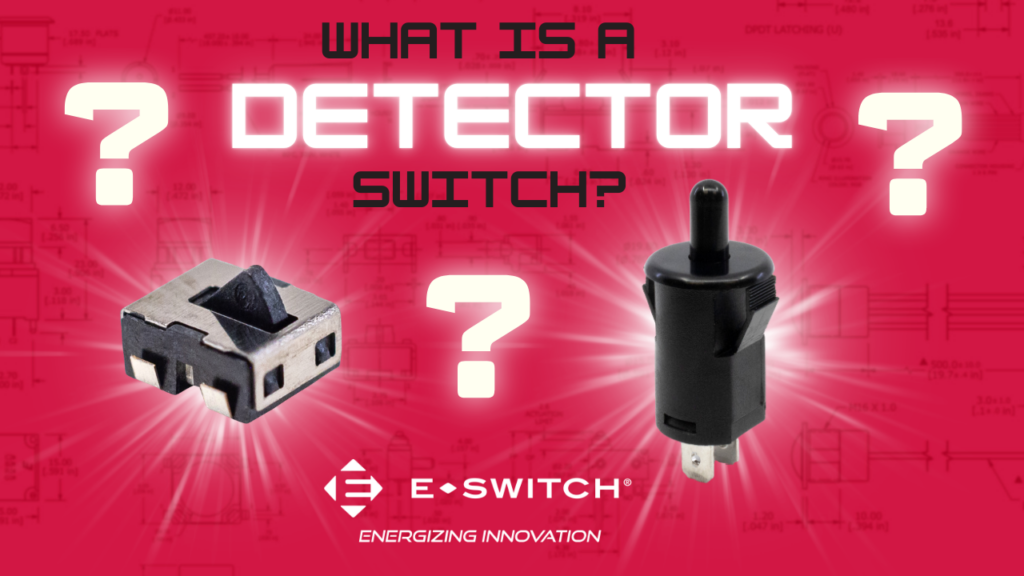
What Are Detector Switches and What Are Their Uses?
These switch types are commonly employed in various applications where the detection of a specific state or object is necessary, such as automation, security and electronic devices.
ULV Series anti-vandal switches are UL certified, IP67 rated and feature a variety of illumination and terminal options to suite your design needs.
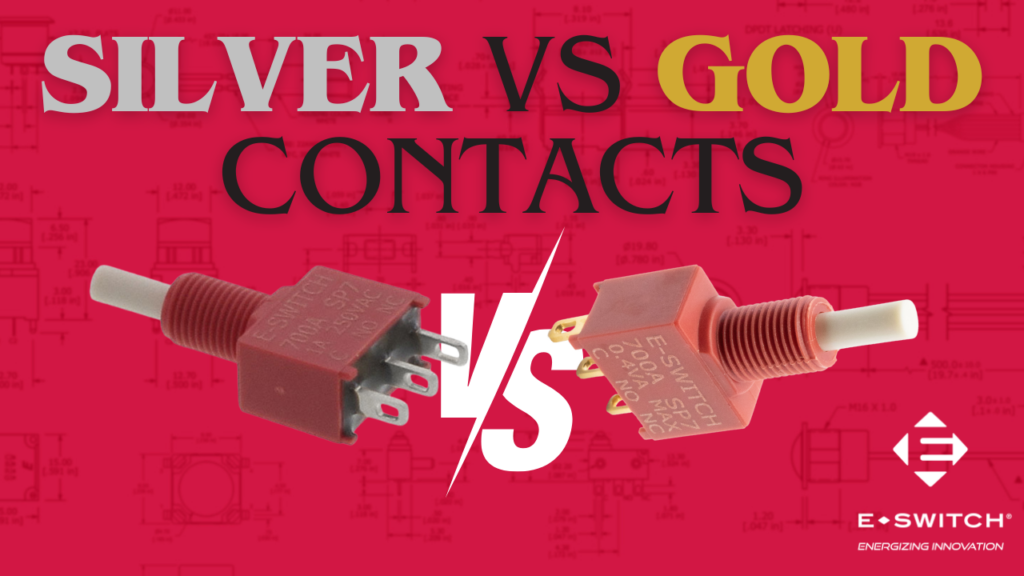
As you search for the best switch for your needs, you might find that you have to choose between silver and gold contacts. Let’s look at the pros and cons of these two options.
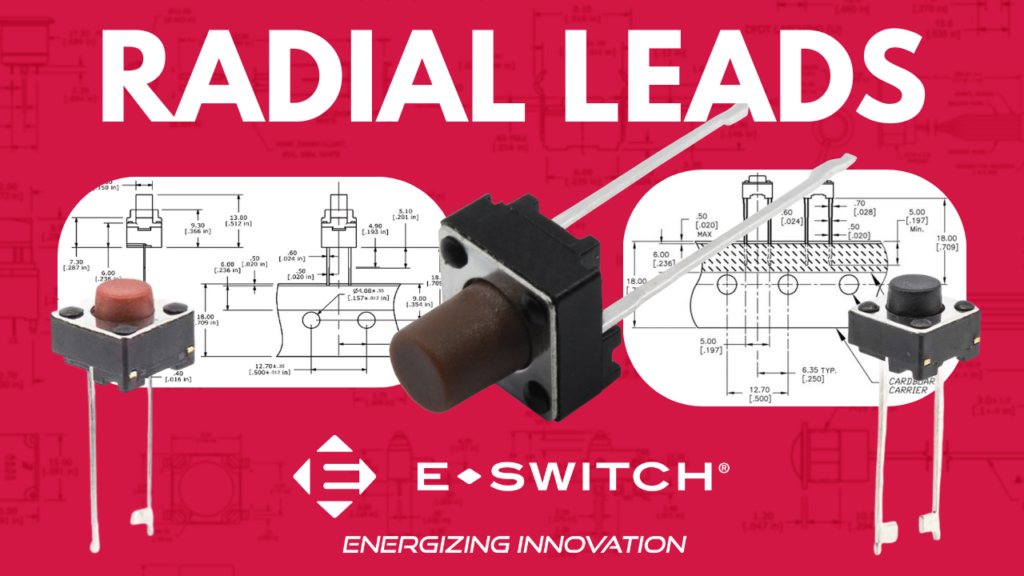
Tactile switches offer radial lead packaging for automated, high-volume assembly across popular markets like consumer electronics and industrial production.
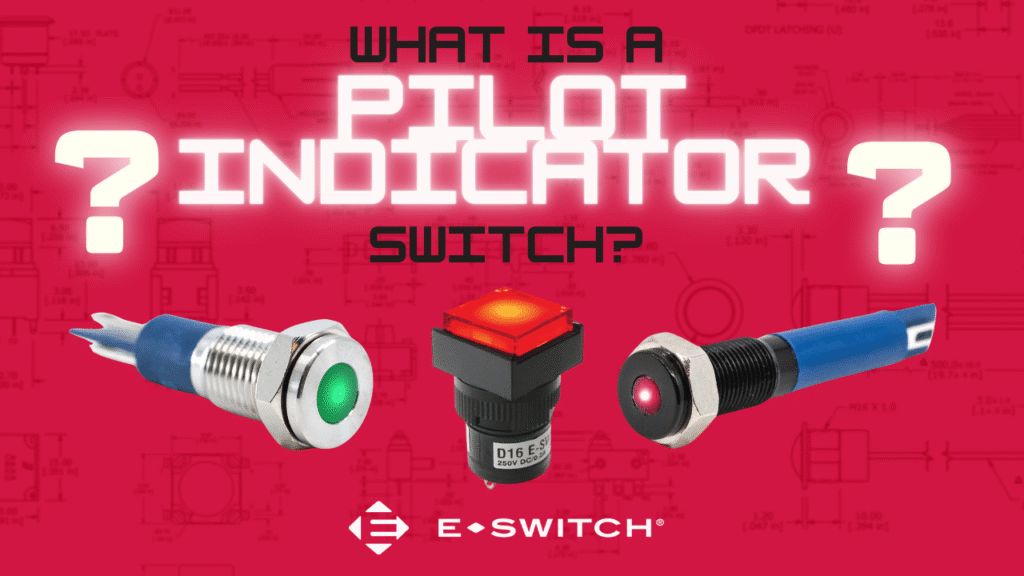
Pilot light indicator switches offer a simple yet effective way to enhance safety, convenience and energy efficiency in various electrical systems and environments.
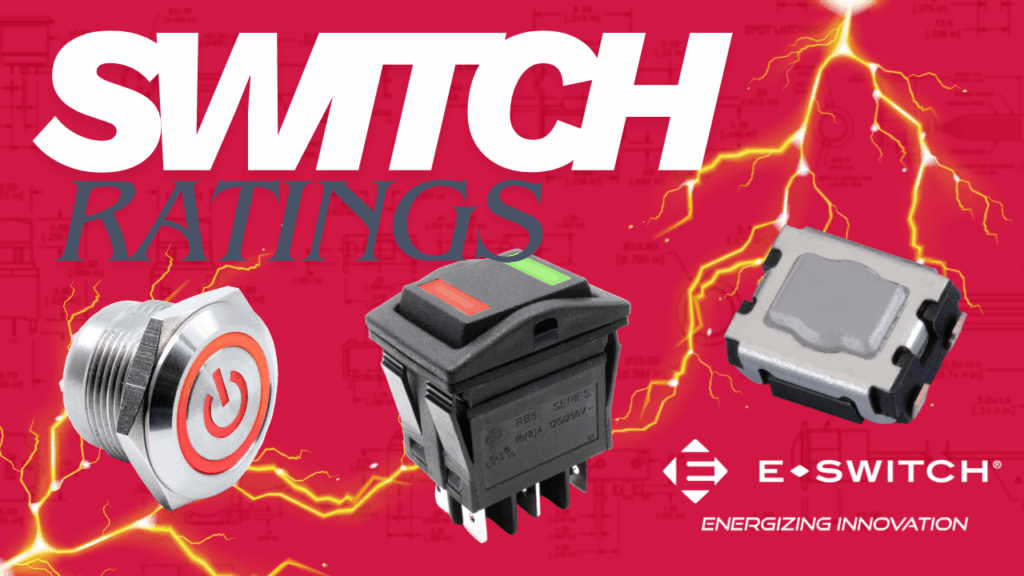
Electromechanical switches are typically designed to handle low, medium or high voltages. Let’s explore which switch types cater to higher currents and demanding devices.
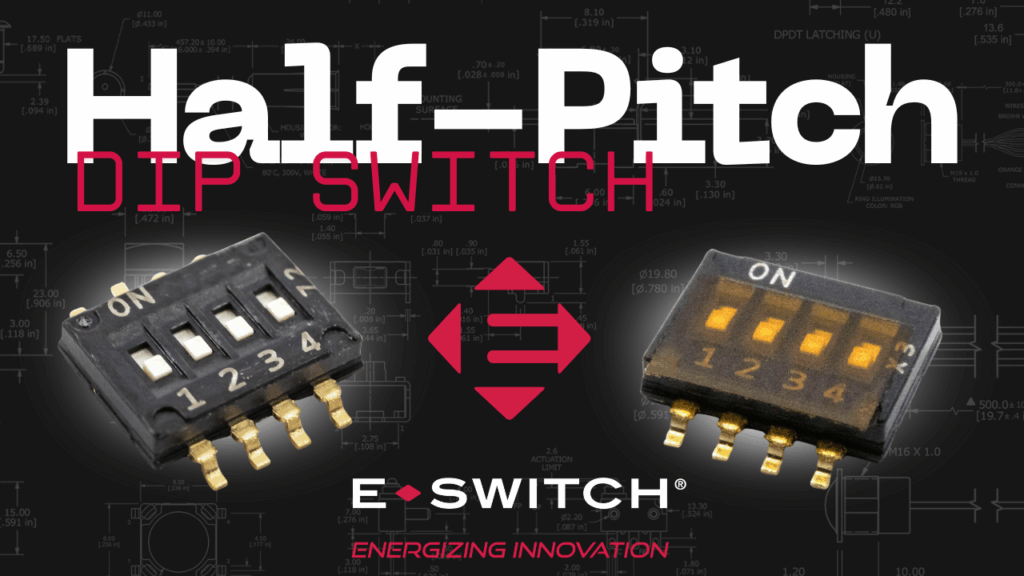
In devices where space on the printed circuit board is at a premium, half-pitch DIP switches offer benefits and features that standard-sized DIPs lack.
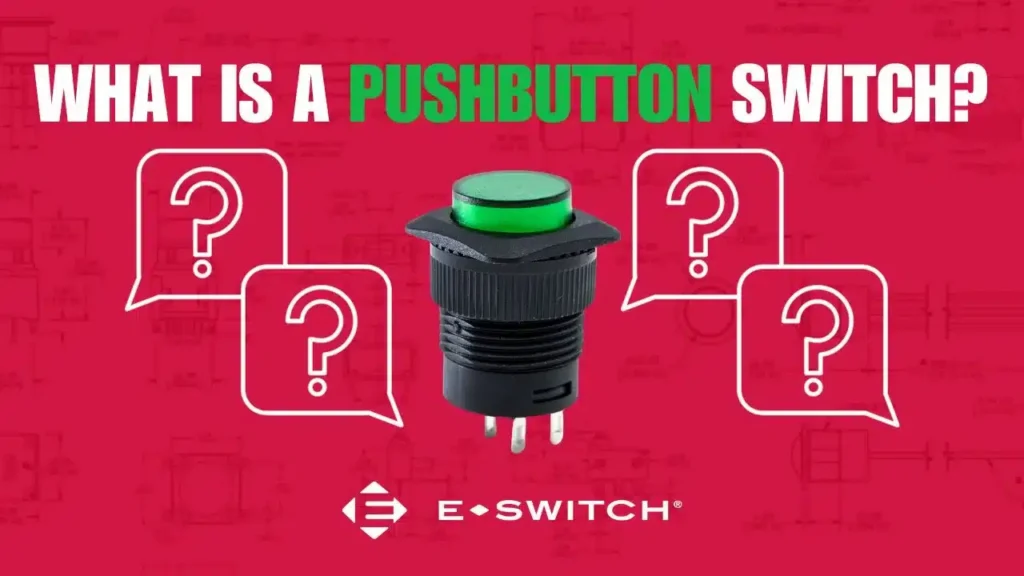
A Pushbutton switch, also known as a push switch, is a type of mechanical switch used to control the flow of electric current in an electronic circuit.
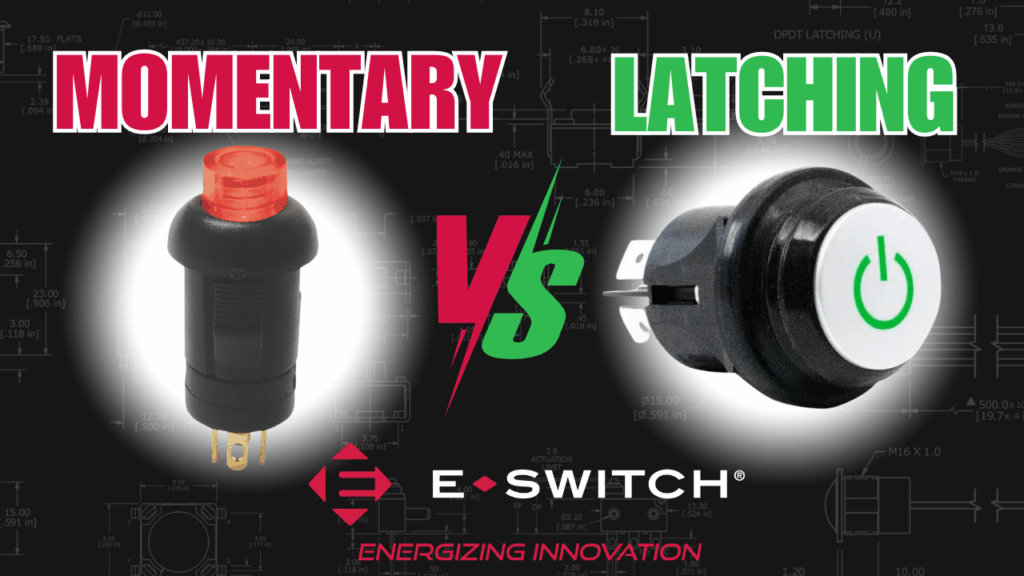
Many switches come with both latching and momentary options, but the final application in question will determine which type of switch function is best suited to the device.
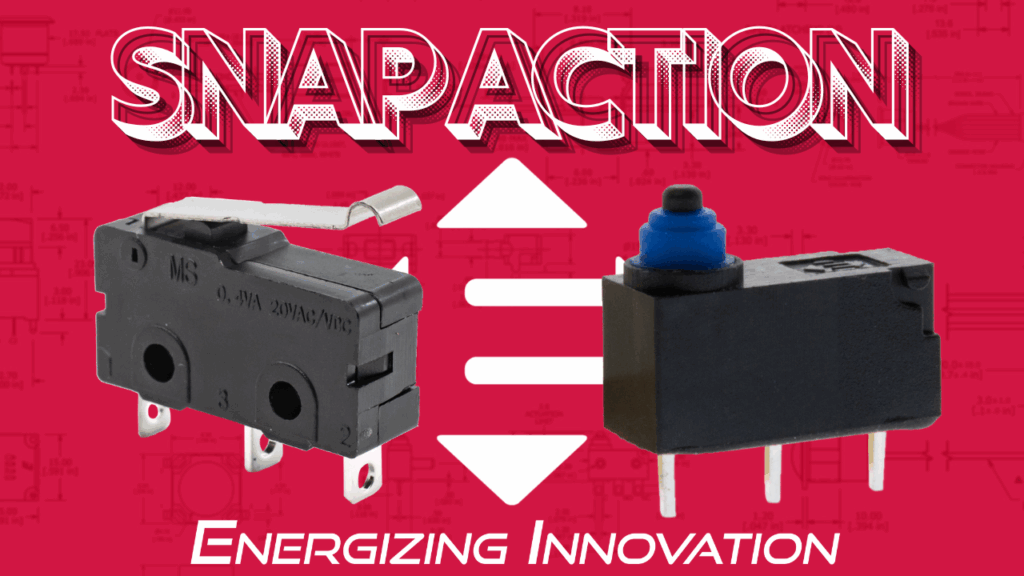
In the following article, we’ll take a quick look at the different actuator styles commonly found on snap action switches, followed by an overview of E-Switch’s current selection of products.
Normally open (NO) and normally closed (NC) contacts are terms used in the context of electrical switches and relays, but what’s the difference between a normally closed vs normally open switch?
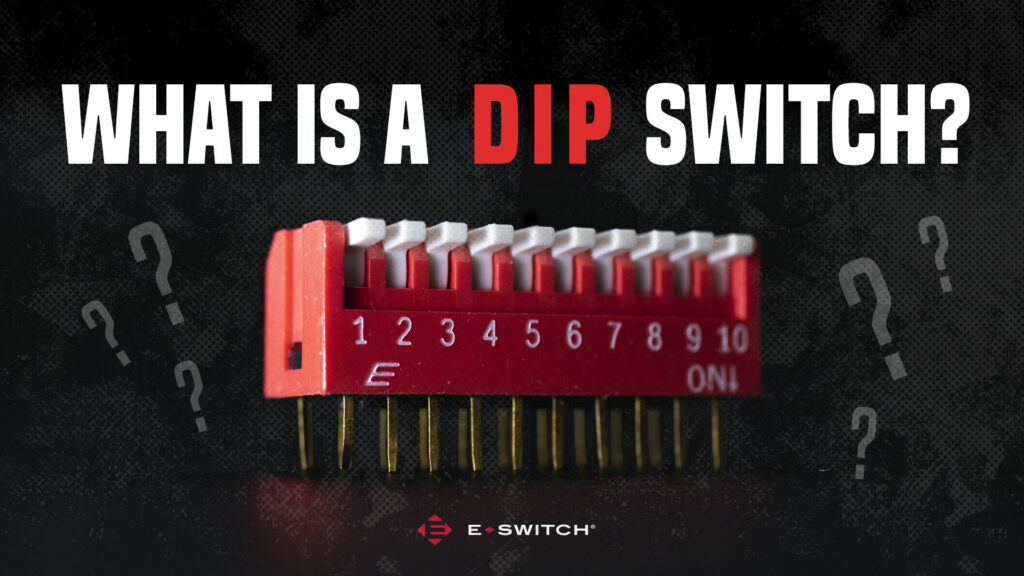
The main advantages of DIP switches are their ability to quickly change positions, but what other functions and applications do they provide?